The Real Value of Vision Benefits: Simple, Affordable, High-Impact Coverage

Imagine a health benefit that is inexpensive for both employers and employees, simple to understand, and easy to use. Members don’t need to decipher complex coverage rules or navigate a maze of referrals. They simply schedule an appointment, receive care, and walk away with something they use to improve their life and wellbeing every day.

In many ways, that benefit already exists. Commercial vision benefits provide employees with straightforward access to routine eye care and vision correction while delivering tangible, everyday value. For employers, it’s a rare, cost-effective way to show commitment to employee wellbeing by offering a benefit employees consistently use and value, while also advancing broader health goals.
What are commercial vision benefits?

Commercial vision benefits are employer-sponsored voluntary insurance plans that cover basic, routine eye care. They are built to be low-cost and easy to navigate, and they deliver an immediate, tangible takeaway (glasses or lenses) that directly impacts daily life, helping employers boost the practical value of their benefits and wellness offerings. An intentional contrast to the complexity of medical plans, most vision plans are built around four core components:

  • Annual comprehensive eye exam
  • Allowance toward frames
  • Coverage for lenses (with options for common upgrades)
  • Contact lenses as an alternative to glasses

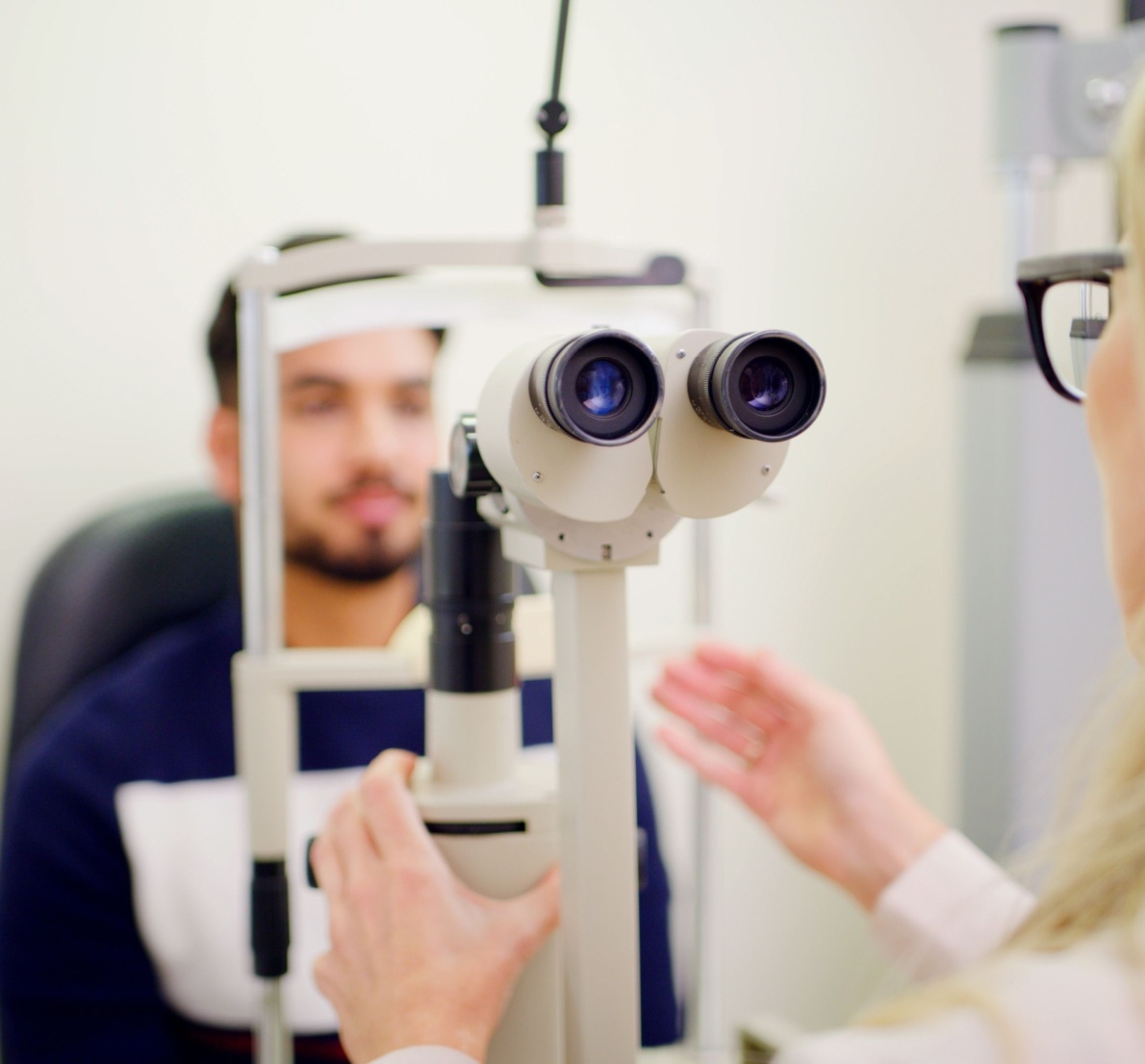
Employees typically begin by scheduling a routine exam with an in-network provider, where their vision is evaluated and screened for potential eye health issues. If corrective lenses are needed, the plan helps cover the cost of glasses or contacts according to the benefit structure. Because the process is straightforward and the outcome is tangible, employees tend to use vision benefits at a high rate and appreciate their value. This simplicity and direct payoff for employees is one of this benefit’s greatest strengths, making vision coverage accessible, affordable, and easy to navigate in today’s increasingly complex benefits landscape. They also serve as an important gateway to additional health and wellness value beyond vision correction.

Benefits Beyond Vision

A routine eye exam is one of the most approachable ways for employees to engage with preventive care, but it frequently reveals more than just vision correction needs. During a standard exam, eye doctors screen for common ocular conditions like glaucoma, cataracts, and macular degeneration. Because the eye can reflect changes in blood vessels and nerve tissue, exams may also surface early indicators of systemic issues such as diabetes, hypertension, autoimmune conditions, or neurological concerns. When something unusual is detected, care typically transitions to the employee’s medical coverage, making vision a low-barrier entry point into the broader healthcare system.

Even when more serious conditions aren’t detected, straightforward vision correction has downstream impacts on workforce wellbeing and performance. Vision correction reduces eye strain, headaches, fatigue, and concentration lapses that often occur with screen-intensive jobs. Together, these clinical and functional benefits make routine eye care a smart, indirect investment in both workforce wellbeing and long-term healthcare cost protection.

What Makes a Vision Benefit Truly Valuable

A commercial vision benefit may be designed to feel simple and straightforward to members, but the difference between a basic plan and a truly valuable one lies in how well it meets the needs of both employers and employees. High-performing vision benefits combine:

  • Straightforward, predictable, yet flexible coverage that responds to workforce needs and usage patterns.
  • Strong provider networks that make it easy for employees to find high-quality care close to home.
  • Efficient laboratory partnerships and reliable fulfillment of prescriptions without unnecessary complications.
  • Clear, flexible plan design helps members understand what is covered.
  • Responsive account management and member support that provides guidance when questions arise.

When these elements come together, vision benefits become easier to use. And the more they are used for routine eye care, the more effective they are at improving quality of life, work productivity, and disease detection and prevention, ultimately strengthening the overall effectiveness of an employer’s benefits strategy.

A Benefit That Stands Apart

In an increasingly complex healthcare landscape, benefits that are simple, predictable, and easy for employees to use stand out. Commercial vision benefits succeed precisely because they deliver immediate value. Employees can easily access care, receive corrective lenses they rely on every day, and improve their comfort and productivity at work and beyond.

At the same time, the value of vision benefits extends far beyond glasses or contact lenses, playing a role in preventive care, earlier identification of potential health issues, and connecting employees to the broader healthcare system when needed. When supported by strong provider networks, clear plan design, and responsive service, vision programs become a low-cost tool for improving workforce wellbeing and strengthening employee satisfaction.